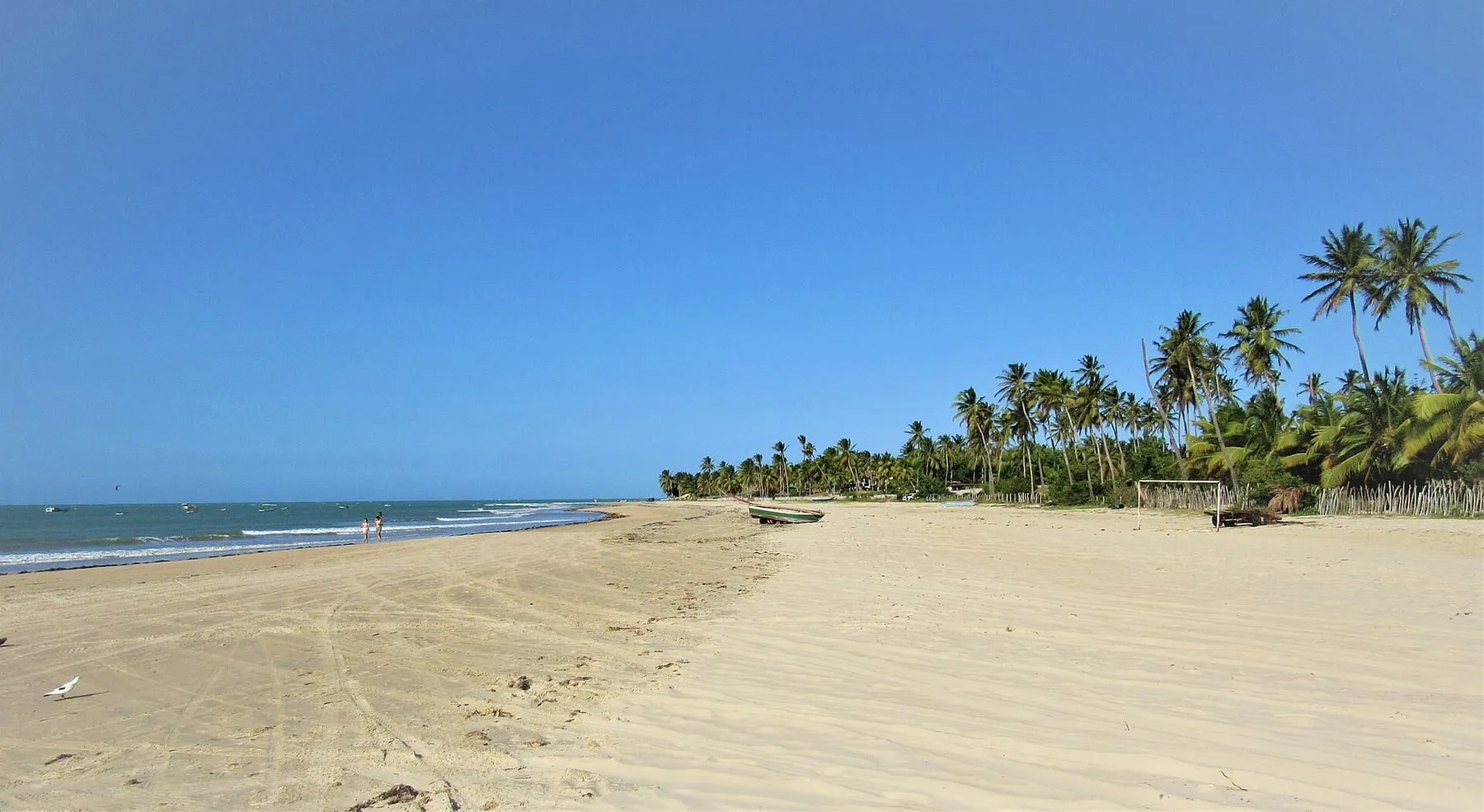
Flat water or waves? How to choose your kite spot in the Northeast
Flat-water and wave spots in Northeast Brazil: differences, who each is best for and the top destinations for each style.
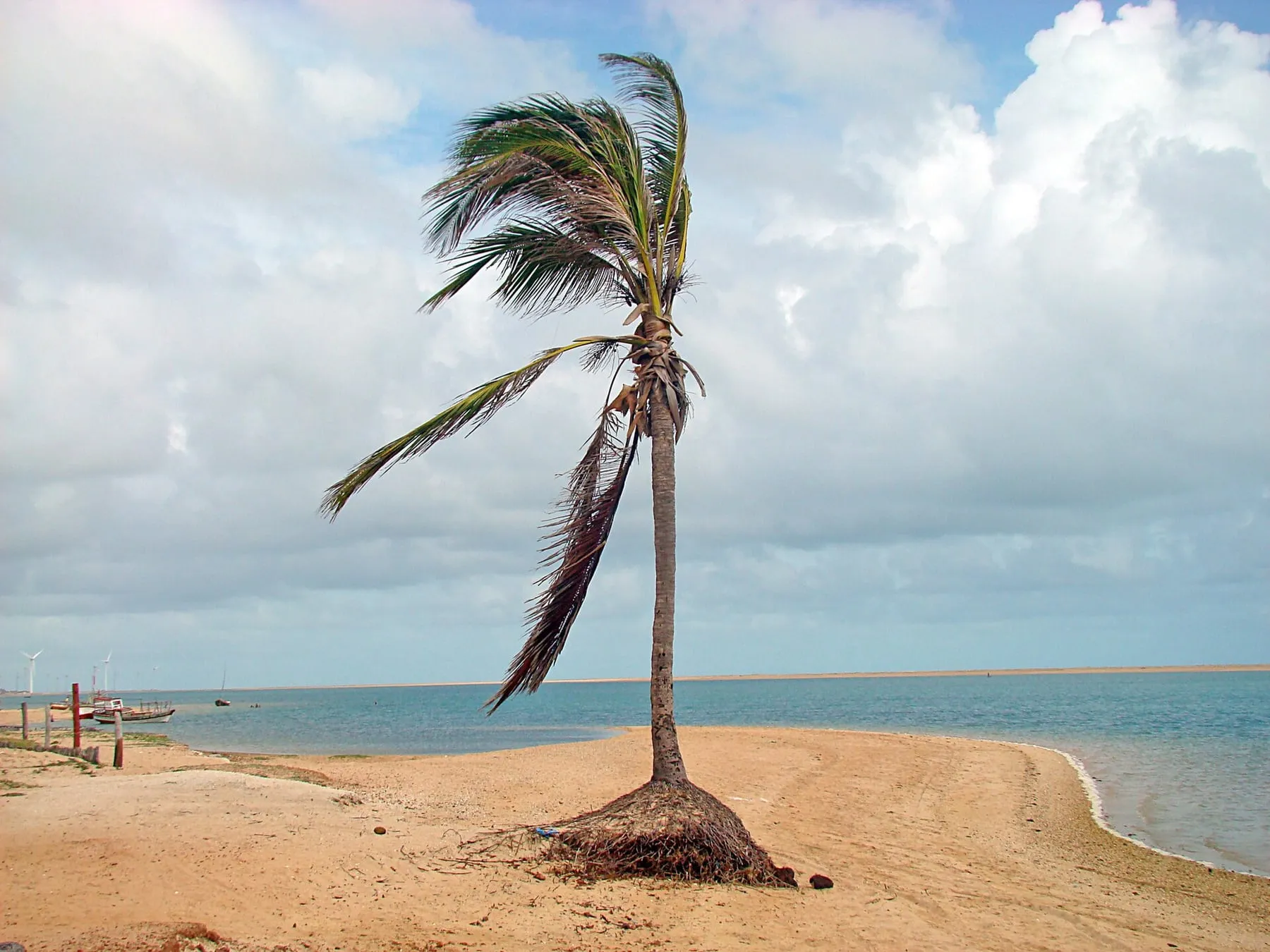
Anyone planning a kite trip to the Northeast quickly runs into two words: flat and wave. They’re two very different water styles, and choosing your spot changes the whole experience.
Flat water
Places where the water stays smooth, no waves, usually because there’s a natural barrier — a sandbank, a reef or the edge of a lagoon.
Advantages:
- Ideal for learning: you can touch bottom and wipeouts are less painful.
- Perfect for freestyle: jumps and tricks are easier to practice.
- Less tiring, so you can ride longer.
Where to find it: Guajiru Island, Barra Grande, Cauípe Lagoon in Cumbuco, Tatajuba and the river mouth in Atins.
Waves
Open-ocean spots with waves you can use to surf or jump.
Advantages:
- More adrenaline and variety.
- Great for strapless riding and wave riding.
- Usually fewer riders in the water.
Where to find it: Icaraizinho de Amontada, Taíba, Cumbuco’s open water and Malhada in Jericoacoara (experienced only).
What if I want both?
The beauty of the Northeast is you can mix and match. A trip down Ceará’s west coast can alternate flat-water days at Guajiru with wave days at Icaraizinho, for example. Check out our kite route in Ceará.
Summary
| Style | Best for | Destinations |
|---|---|---|
| Flat water | Beginners and freestyle | Guajiru, Barra Grande, Cauípe, Tatajuba |
| Waves | Intermediate and advanced | Icaraizinho, Taíba, Cumbuco (open sea) |
| Both | Want variety | Jericoacoara, Atins, São Miguel do Gostoso |